Home / Articles
Can Lower Eyelid Surgery Remove Dark Circles?
Home / Articles
Can Lower Eyelid Surgery Remove Dark Circles?
A Clear, Honest Medical Explanation
Dark circles under the eyes are one of the most misunderstood concerns in aesthetic medicine. Many patients arrive convinced that their problem is caused by poor sleep, stress, or skin discoloration alone — and that surgery is either a guaranteed fix or something that should be avoided entirely.
In real clinical practice, neither extreme is true.
“Will lower eyelid surgery remove my dark circles?”
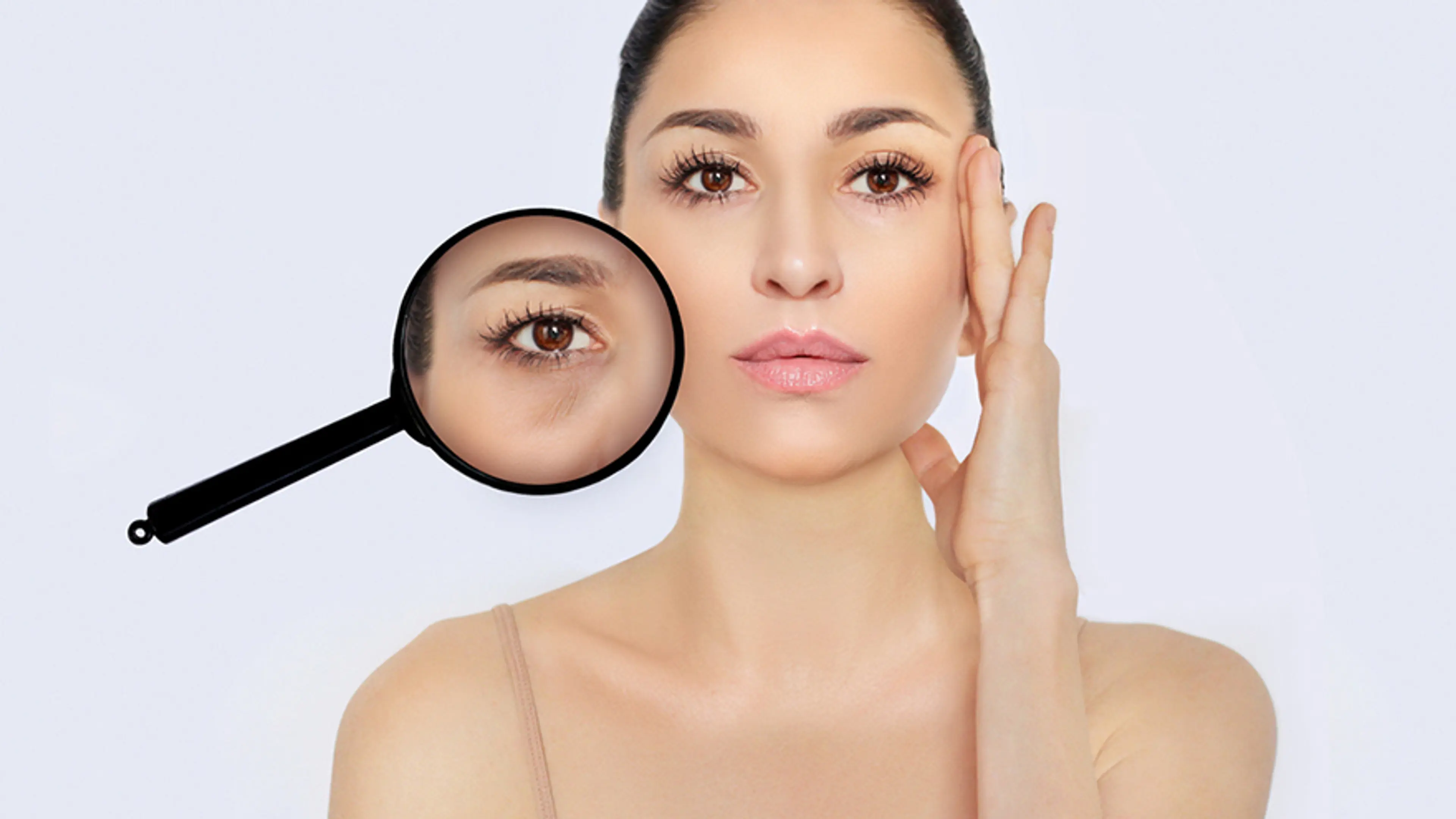
“Dark circles” is not a formal diagnosis. It is a visual description that patients use to explain a tired, shadowed, or dull appearance beneath the eyes.
From a medical and surgical standpoint, this appearance can result from:
Structural anatomy
Skin quality
Pigmentation
Age-related volume changes
Different causes can look similar in the mirror, which is why so many patients are confused — and why online advice is often misleading.
When under-eye fat protrudes forward (eye bags), or when the tear trough becomes hollow, the surface beneath the eye is no longer smooth. Light hits the area unevenly, creating shadows that appear as darkness.
Key characteristics:
Darkness changes depending on lighting
The skin tone itself often looks normal
The area may look worse in photos or overhead light
Many patients are surprised to learn that their “dark circles” are not dark skin at all — they are shadows created by facial structure.
This distinction is critical, because surgery can correct structure, but not color.
The lower eyelid has the thinnest skin on the human face — often less than one millimeter thick.
As skin thins due to:
Aging
Genetics
Weight loss
underlying blood vessels and muscle can show through, creating blue or purple tones.
Important to understand:
Surgery cannot thicken skin
Removing fat can actually worsen transparency if done improperly
In these cases, contour improvement may help slightly, but surgery alone is rarely a complete solution.
Some dark circles are genuinely pigment-based.
These typically appear:
Brown or gray rather than blue
Even in all lighting conditions
Symmetrical and flat
Common contributing factors include:
Genetics
Chronic eye rubbing
Allergies
Sun exposure
As we age, the face does not simply “sag” — it redistributes.
Cheek fat descends, ligaments weaken, and support beneath the lower eyelid diminishes. This can:
Deepen the tear trough
Exaggerate shadowing
Make dark circles appear worse even without eye bags
In these cases, treating the lower eyelid alone may not be sufficient. A broader understanding of facial balance is required.
The strongest candidates typically have:
Prominent or early eye bags
A defined tear trough
Good skin elasticity
Minimal pigmentation issues
For these patients, surgery does not “lighten” the skin — it restores a smoother surface so light reflects evenly again.
Many patients describe the change as:
Looking more rested
Looking healthier in photos
No longer being asked if they are tired
The improvement is often subtle but meaningful.
In the past, under-eye surgery focused on removing fat. While this reduced bulging, it frequently caused long-term problems such as:
Hollowing
Premature aging
A harsh or skeletal appearance
Instead of removing fat:
Protruding fat is gently released
The same fat is redistributed into hollow areas
The eyelid–cheek junction becomes smoother and more natural
This approach reduces shadows while maintaining youthful volume — a critical factor in avoiding an “overdone” look.
For patients with good skin quality, surgery can often be performed from inside the eyelid (a transconjunctival approach).
Advantages include:
No visible external scar
Preservation of eyelid muscle
Lower risk of eyelid distortion
Faster recovery
This method is especially suitable for younger patients whose dark circles stem from early fat protrusion rather than excess skin.
This section is essential for setting realistic expectations.
If the darkness is due to melanin, effective treatments may include:
Laser therapy
Topical dermatologic treatments
Sun protection
Allergy management
Operating in these cases will not address the root cause.
In patients with very thin skin, even perfect contour correction may leave visible vascular tones.
In such cases:
Surgery may provide partial improvement
Combined treatment plans often yield better results
This is where conservative decision-making becomes critical.
Lower eyelid surgery performed for the wrong indication can:
Fail to improve dark circles
Create new hollowness
Make the eyes appear older
Lead to dissatisfaction or revision surgery
At safety-focused clinics, surgeons must be willing to say:
“This will help”
“This will only help partially”
Or, sometimes, “This is not the right solution”
This honesty protects patients from unnecessary procedures and long-term regret.
Many patients seeking help for dark circles have already undergone surgery elsewhere.
Common issues we see include:
Excessive fat removal
Hollow or sunken under-eyes
Asymmetry
Chronic dryness or discomfort
Beyond physical concerns, there is often emotional fatigue — frustration, regret, and fear of making things worse.
When addressed early and conservatively, revision surgery can often restore balance. However, revision work requires:
Precise timing
Deep anatomical understanding
A restrained surgical approach
If you worry about surgery looking unnatural or irreversible, those concerns are valid — especially in revision cases.
A thorough consultation for dark circles should include:
Fat volume and distribution
Tear trough depth
Skin thickness and elasticity
Midface support
Eye shape and symmetry
Medical history and lifestyle
Patient expectations and emotional concerns
Only after this comprehensive evaluation can an appropriate treatment plan be designed.
It is not a universal solution, but for properly selected patients, it can:
Soften harsh shadows
Restore a rested, natural appearance
Avoid the “operated” look many people fear
If you’re unsure what’s causing your dark circles, the most important step is not surgery — it’s an accurate, honest diagnosis.